
Table of Contents
- What to Look for in Best Gym Apparel for Heavy Lifting
- Comparison Table: Top Picks at a Glance
- 1. Vintage Washed B&W Tee: Best Overall Heavyweight Tee
- 2. Vintage Washed DF Tee: Best for Daily Training
- 3. Vintage Turtle Tee: Best for Slow and Steady Progress
- 4. Turtle Pump Cover | Snow Washed: Best Oversized Pump Cover
- Benefits of Wearing Pump Covers for Heavy Lifting
- 5. Tiger Pump Cover | Snow Washed: Best for Raw Intensity
- 6. Samurai Pump Cover | Snow Washed: Best for Discipline and Focus
- Frequently Asked Questions
Last Updated: September 11, 2026
What to Look for in Best Gym Apparel for Heavy Lifting
The best gym apparel for heavy lifting is built from heavyweight, tightly woven fabric that resists tearing under barbell contact, holds its structure through repeated wash cycles, and moves with your shoulders and hips through a full squat. At Driven Fitness, we build around that standard: 260 gsm cotton tees and oversized drop-shoulder pump covers designed for the specific mechanical stresses of barbell work, not just the walk from the car to the squat rack. Below, we break down what separates gear that survives a training block from gear that pills out by week six, then rank the six pieces we'd actually put in a lifter's rotation.
Most guides treat gym clothing as a fashion decision. It isn't. Heavy lifting puts your shirt through abrasion against knurling, tension across the chest and shoulders at the bottom of a squat, and repeated stretch from overhead pressing. Fabric that's too thin tears at the seam. Fabric that's too stiff restricts your setup. The ASTM International textile testing standards cover the abrasion and tensile measurements that actually predict whether a garment holds up, and almost none of them appear on a product page.
Fabric Weight and Durability
Fabric weight is the single best predictor of durability in lifting apparel. Look for 220 gsm and above for tees you plan to wear under a bar (astm.org). Lighter cotton feels cooler but abrades faster against a barbell's knurling and loses shape after a handful of washes.
At 260 gsm (7.7 oz), Driven Fitness tees sit in the heavyweight range where the fabric has enough body to resist pull-through at the shoulder seam. Seam construction matters just as much as weight: flatlock stitching lies flat against the skin and won't chafe under a lifting belt, while a reinforced gusset at the underarm prevents the blowout that kills most gym shirts.
Fit, Range of Motion, and Barbell Contact
Athletic fit versus loose fit is a real trade-off, not a preference. A fitted shirt keeps fabric away from the bar path but binds at the shoulders when you press overhead. A loose or oversized cut gives you full range of motion and doubles as a pump cover, but extra fabric can catch on a rack or drag across a bench.
The compromise most experienced lifters land on: a fitted base layer for working sets and an oversized pump cover worn over it between sets. That's the setup Driven Fitness designs around, with drop-shoulder silhouettes that clear the shoulder joint through a full overhead press.
Comparison Table: Top Picks at a Glance
| Pick | Price | Fabric | Best For |
|---|---|---|---|
| Vintage Washed B&W Tee | $34.99 | 260 gsm cotton | Best overall heavyweight tee |
| Vintage Washed DF Tee | $34.99 | 260 gsm cotton | Best for daily training |
| Vintage Turtle Tee | $34.99 | 260 gsm cotton | Best for slow, steady progress |
| Turtle Pump Cover | $39.99 | Snow-washed cotton | Best oversized pump cover |
| Tiger Pump Cover | $39.99 | Snow-washed cotton | Best for raw intensity |
| Samurai Pump Cover | $39.99 | Snow-washed cotton | Best for discipline and focus |
1. Vintage Washed B&W Tee: Best Overall Heavyweight Tee
The Vintage Washed B&W Tee is the most versatile piece in the lineup. At 260 gsm with a thick hand-feel and moderate breathability, it holds its shape through heavy compound work while staying soft enough for back-to-back training days.


What most guides miss is that fabric thickness does double duty: it protects your skin from barbell friction on front squats and hip thrusts, and it resists the pilling that turns thin cotton gray and fuzzy after a month. Sizing runs S through 5XL, so body-type fit isn't an afterthought here.
What works: heavyweight cotton, structured shoulders, vintage wash that hides chalk dust. What doesn't: moderate breathability means it runs warm in a non-climate-controlled gym.
2. Vintage Washed DF Tee: Best for Daily Training
Daily training beats up apparel faster than any single max-out session. The Vintage Washed DF Tee uses the same 260 gsm cotton build as the B&W, but the DF graphic treatment suits a rotation where you're washing the shirt two or three times a week.
A common mistake is buying one heavy tee and wearing it every session. Fabric needs recovery time between washes to keep its structure. Two or three tees in rotation last meaningfully longer than one worn to death.
3. Vintage Turtle Tee: Best for Slow and Steady Progress
Some lifters don't chase PRs every week. They grind. The Vintage Turtle Tee is cut for that mindset, with the same heavyweight 260 gsm cotton and a graphic built around patience and consistency.

The fit is true to size with a relaxed drape, so it works as a standalone training tee or layered under a pump cover during a long warm-up.
4. Turtle Pump Cover | Snow Washed: Best Oversized Pump Cover
A pump cover is an oversized tee worn over your lifting kit to keep muscles warm between sets and to preserve the pump visually. It is not a fashion accessory, though it works as one.
The Turtle Pump Cover delivers an oversized drop-shoulder fit in premium snow-washed cotton, with a Japanese Turtle graphic nodding to longevity and steady progress. Sizes run S through 3XL, and it's available in Black, Light Gray, Dark Blue, Pirate Gray, and Purple Haze. Order one size up for a fully oversized fit.
Benefits of Wearing Pump Covers for Heavy Lifting
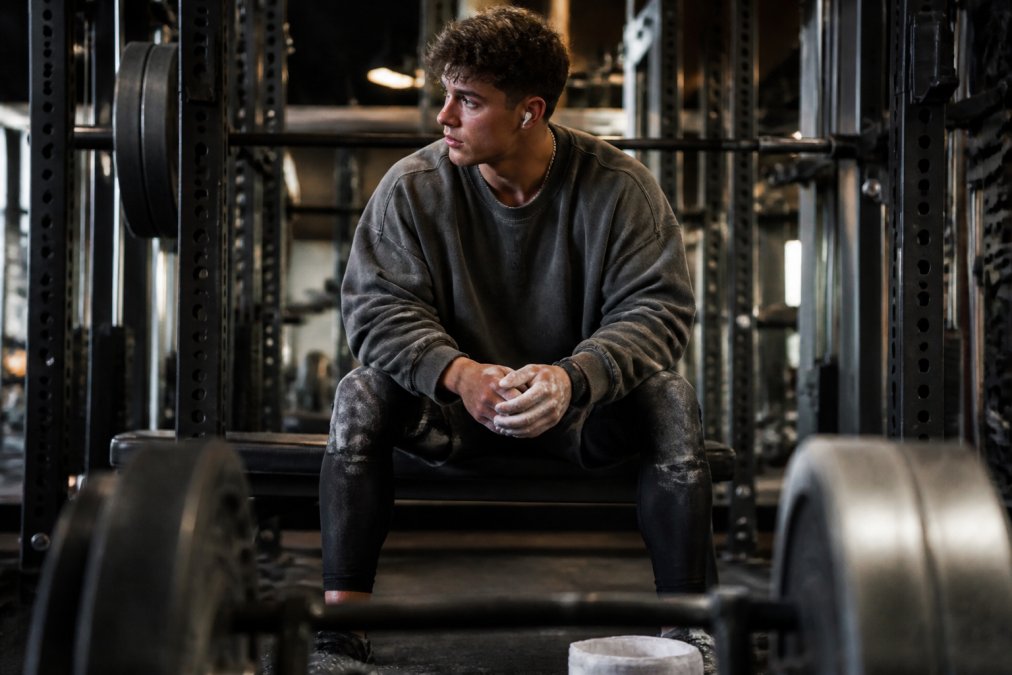
A pump cover is not a warm-up jacket and it is not a fashion layer. It is a thermal and mechanical buffer worn over your working kit between sets. Understanding why it works requires separating the three jobs it actually does: heat retention, mechanical protection of the base layer, and psychological readiness.
Heat retention between sets. Muscle tissue produces force more efficiently when it stays warm. During a heavy squat or deadlift session, rest periods of three to five minutes are common, and that is exactly when core temperature drops fastest, sweat evaporates off exposed shoulders and arms, pulling heat with it. An oversized cotton layer traps a thin pocket of warm air against the torso and upper arms, slowing that evaporative loss. The effect is modest but real: most lifters report their top sets feel looser when they stay covered through rest rather than standing in a tank top.
Mechanical protection of the base layer. This is the benefit almost no guide mentions. Your fitted training tee takes the brunt of barbell contact, knurling across the chest on front squats, the bar dragging across the upper back on low-bar squats, chalk transfer on every pull. A pump cover worn between sets absorbs chalk dust, keeps bar knurling off the base fabric, and reduces the number of wash cycles the base layer needs. Over a twelve-week block, that meaningfully extends the life of the shirt doing the actual work.
Range of motion without restriction. The oversized drop-shoulder cut exists for a reason. A fitted shirt binds at the shoulder capsule when you press overhead or reach for a wide grip. A pump cover clears the joint entirely, which is why lifters wear it through warm-up sets, mobility work, and band pull-aparts before stripping it off for the working set.
How Pump Covers Interact With Compression Base Layers
Compression garments and pump covers solve different problems, and the best heavy-lifting setups use both. Compression base layers, typically a synthetic blend with 15 to 25 percent elastane, apply graduated pressure that supports venous return and reduces the muscle oscillation that follows heavy eccentric work (PubMed). That is the recovery mechanism competitors cite, and it is legitimate: reduced oscillation means less micro-damage and less next-day soreness.
But compression fabric is thin by design, which makes it a poor thermal layer and a poor barrier against knurling. The practical stack for a heavy session looks like this:
- Compression base layer against the skin for working sets, support and reduced oscillation.
- Heavyweight cotton tee (220 gsm and up) over it if you run cold or train in a non-climate-controlled gym.
- Oversized pump cover over everything during rest periods, stripped before the bar.
That layering order matters. Putting a pump cover directly against the skin wastes its thermal value because there is no trapped air gap, and it defeats the mechanical-protection benefit because the cover is now the garment taking bar contact.
What Pump Covers Do Not Do
They do not add strength, they do not improve bar speed, and they do not replace a proper warm-up. Any guide claiming a pump cover boosts performance is describing a placebo effect dressed up as physiology. What a pump cover genuinely does is make it easier to stay warm, keep your base layer intact, and move freely between sets, three small advantages that compound across a long training block.
For powerlifters running long rest periods between attempts, that combination is the entire point. For someone doing a thirty-minute circuit, a pump cover is unnecessary weight. Match the tool to the session.
5. Tiger Pump Cover | Snow Washed: Best for Raw Intensity
The Tiger Pump Cover is built for lifters who train with aggression. The oversized drop-shoulder cut gives you room to layer and lock in, while the snow-washed finish delivers a faded, broken-in look straight out of the bag. The Japanese Tiger graphic channels power and ferocity.
Available in Black, Light Gray, Light Purple, Dark Blue, and Pirate Gray, sizes S through 3XL.
What works: generous shoulder room, premium faded finish, holds shape after washing. What doesn't: the oversized cut isn't ideal if you prefer a fitted silhouette under the bar.
6. Samurai Pump Cover | Snow Washed: Best for Discipline and Focus
The Samurai Pump Cover rounds out the lineup for lifters who treat training as a practice. A bold Japanese Samurai graphic sits on the same oversized drop-shoulder cut and snow-washed cotton as the rest of the pump cover range. Sizes S through 3XL, in Black, Light Gray, Dark Blue, and Pirate Gray.
Where the Tiger leans into intensity, the Samurai leans into intention. Wear it over your lifting kit through warm-up and straight out of the gym.
How to Wash Gym Clothes to Remove Odor
The best way to remove odor from gym clothes is to wash them in cold water with a sports-specific detergent, turn them inside out, and skip the fabric softener, which traps odor-causing residue in synthetic fibers and cotton alike.
Three habits matter more than any detergent brand:
- Wash within a few hours of training, not the next morning
- Turn garments inside out before the cycle
- Air-dry when possible; heat breaks down cotton fibers over time
For heavyweight 100% cotton pieces like the Driven Fitness range, machine wash cold inside out and tumble dry low. Never iron directly on the print. Antimicrobial treatments on synthetic blends help, but no fabric is truly odor-proof if it sits damp in a gym bag overnight.
Frequently Asked Questions
What features should I look for in heavy lifting apparel?
Prioritize fabric weight and durability first. A 260 gsm (7.7 oz) cotton tee holds its shape through repeated barbell contact better than thin blends. Check seam construction, specifically flatlock stitching, because it resists tearing under load. Look for an athletic or oversized fit that allows full range of motion without bunching at the shoulders. Breathability matters for thermal regulation during high-intensity sessions, and a gusset or drop-shoulder cut prevents restriction when you rack a squat or lock out a deadlift.
Are pump covers effective for heavy lifting sessions?
Yes. Pump covers keep working muscles warm between sets, which supports blood flow and can reduce stiffness during long rest periods. The oversized drop-shoulder cut lets you layer over a tank or tee without restricting your range of motion. For powerlifters, a pump cover also protects against barbell friction on the shoulders during squats. Driven Fitness pump covers are built from premium snow-washed cotton with a relaxed fit, so you can warm up, lift, and walk out without changing.
How do I wash gym clothes to remove odor?
Turn garments inside out and machine wash cold with a sports-specific detergent. Avoid fabric softener because it traps odor-causing bacteria in the fibers. For synthetic blends, add half a cup of white vinegar to the rinse cycle to break down residue. Hang dry or tumble low. For heavyweight cotton like Driven Fitness tees, cold washing preserves the vintage wash finish. Wash immediately after training when possible, because bacteria multiply fast in damp fabric.
What are the benefits of wearing pump covers?
Pump covers serve three functions: they keep muscles warm between heavy sets, they protect your lifting kit from barbell knurling friction, and they give you a relaxed layer for warm-ups and post-lift cooldowns. The oversized fit also lets you move through full range of motion without the fabric binding at the shoulders or chest. For bodybuilders and powerlifters who train in cold gyms, a pump cover is the difference between staying loose and stiffening up between attempts.
Why does fabric durability matter for powerlifting and bodybuilding?
Heavy compound lifts put mechanical stress on fabric through barbell contact, repeated stretching, and friction against benches. Thin shirts pill, tear at the seams, or lose shape within months. A 260 gsm (7.7 oz) cotton tee with reinforced seam construction handles that abuse. Durability also affects how the garment fits over time. Cheap fabric stretches out permanently, while heavyweight cotton holds its structure, so your pump cover still looks and performs the way it did on day one.
Heavy lifting punishes apparel that wasn't built for it. If you're tired of shirts that pill, tear at the shoulder seam, or lose their shape after a month, Driven Fitness builds for the lifter who trains through it: 260 gsm heavyweight cotton tees, oversized snow-washed pump covers with drop-shoulder cuts, and vintage-inspired graphics rooted in discipline and perseverance. Get started with Driven Fitness and gear that holds up set after set.