
Table of Contents
- The 7 Best Gym Shirts for 2026 Training: Quick Comparison
- 1. Turtle Pump Cover: Best Overall for Steady Gains
- 2. Samurai Pump Cover: Best for Discipline-Focused Lifters
- 3. Phoenix Pump Cover: Best for High-Intensity Training
- 4. Daruma Pump Cover: Best for Relentless Grinders
- 5. Tiger Pump Cover: Best for Raw Power and Intensity
- 6. Way of the Samurai Tee: Best Heavyweight for Cold Workouts
- 7. Founders Tank: Best for Unrestricted Shoulder Movement
- How to Choose the Right Gym Shirt Fabric
- Care and Maintenance for Long-Lasting Gym Shirts
- Frequently Asked Questions
Last Updated: September 9, 2026
The 7 Best Gym Shirts for 2026 Training: Quick Comparison
The best gym shirts for 2026 training balance breathable fabric, a fit that allows full range of motion, and a design that survives hundreds of wash cycles. The best gym shirts for 2026 training balance breathable fabric, a fit that allows full range of motion, and a design that survives hundreds of wash cycles.
Shirt |
Price |
Best For |
Key Feature |
|---|---|---|---|
$39.99 |
Steady, patient lifters |
Snow-washed cotton |
|
Samurai Pump Cover |
$39.99 |
Discipline-focused training |
Bold Japanese warrior graphic |
Phoenix Pump Cover |
$39.99 |
High-intensity sessions |
Layering-friendly drop shoulders |
Daruma Pump Cover |
$39.99 |
Relentless grinders |
Perseverance symbolism |
Tiger Pump Cover |
$39.99 |
Raw power and aggression |
Faded predator aesthetic |
Way of the Samurai Tee |
$34.99 |
Cold workouts, heavyweight feel |
6.1 oz ring-spun cotton |
Founders Tank |
$32.99 |
Unrestricted shoulder movement |
Original martial arts emblem |
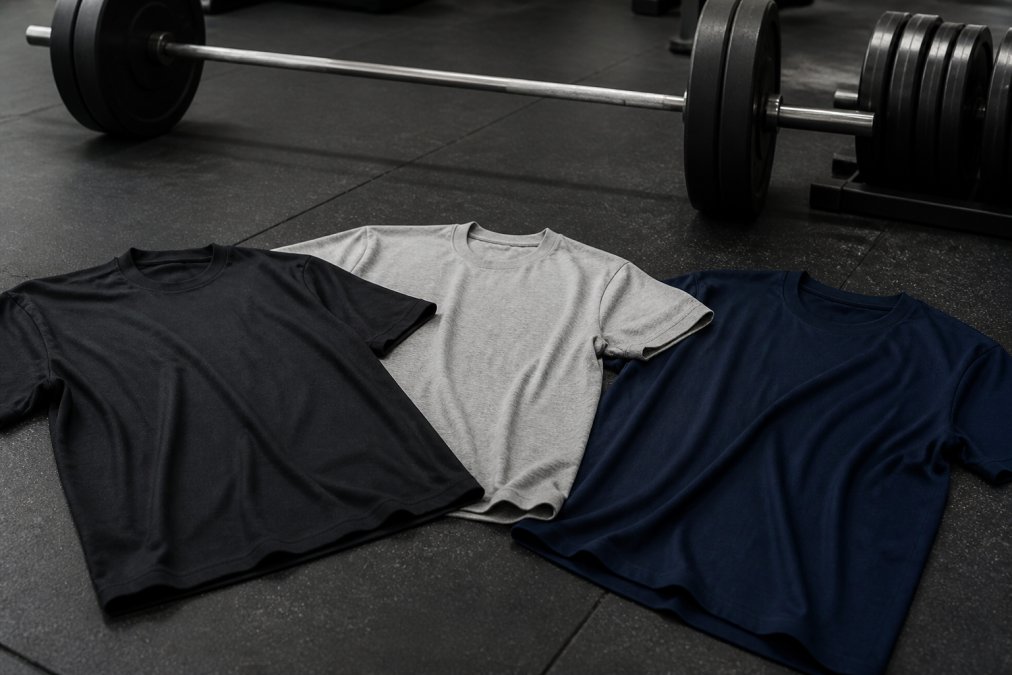
A flat lay of oversized gym t-shirts in black, gray, and dark blue neatly arranged on a dark gym floor with a barbell and weight plates blurred in the background
How We Tested and Selected These Gym Shirts
1. Turtle Pump Cover: Best Overall for Steady Gains
The Turtle Pump Cover earns the top spot for lifters who value consistency over flash. Its drop-shoulder silhouette provides relaxed coverage for warm-ups and stretching, while the snow-washed finish delivers a broken-in look. The Japanese Turtle graphic nods to longevity and steady progress.


At $39.99, this premium gym shirt transitions from the platform to the street. Available in Black, Light Gray, Dark Blue, Pirate Gray, and Purple Haze, sizes S to 3XL, the cotton blend is soft but dense enough to maintain structure during deadlifts and squats.
2. Samurai Pump Cover: Best for Discipline-Focused Lifters
For athletes who treat every session as a practice in intention, the Samurai Pump Cover delivers both function and symbolism. The bold Japanese Samurai graphic serves as a visual reminder of discipline, and the drop-shoulder cut works over your lifting kit and beyond.

Phoenix Pump Cover | Snow Washed
The snow-washed texture improves with each wash, and the fit allows full range of motion for overhead presses and pull-ups without binding. If you want a gym shirt that carries meaning beyond the logo, this is the pick.
3. Phoenix Pump Cover: Best for High-Intensity Training
High-intensity training demands a shirt that keeps up with rapid movement and heavy sweating. The Phoenix Pump Cover delivers with an oversized silhouette for layering or wearing solo, plus a snow-washed finish that feels worn-in. The Japanese-inspired Phoenix graphic stands out in a crowded weight room.
The fabric is designed to hold up through burpees, box jumps, and barbell complexes without excessive cling or chafing. Available in Khaki Ash alongside standard colorways, this shirt suits athletes who want versatility.
4. Daruma Pump Cover: Best for Relentless Grinders
The Daruma Pump Cover carries the Japanese symbol of perseverance, a doll that represents falling seven times and rising eight. The oversized, snow-washed fit moves with you through every rep and still looks clean when you walk out.
The soft, breathable material maintains its structure through intense sessions, and the Daruma graphic withstands repeated washing without cracking. For grinders who want their clothing to reflect their mentality, this is the strongest option.
5. Tiger Pump Cover: Best for Raw Power and Intensity
Some training days require a different energy. The Tiger Pump Cover channels raw power with its Japanese Tiger graphic, designed for athletes who step under the bar with ferocity. The oversized drop-shoulder fit provides room to move, layer, and lock in.
This gym shirt excels during heavy lower-body sessions needing unrestricted hip drive and shoulder mobility. The fabric is designed to resist pilling from friction against benches and bars. If your training style leans aggressive, this shirt matches the intensity.
6. Way of the Samurai Tee: Best Heavyweight for Cold Workouts
When the gym runs cold or you want extra structure, the Way of the Samurai Tee delivers a heavyweight feel lighter shirts cannot match. Built from 100% ring-spun cotton at 6.1 oz per square yard, it is designed to stand up to heavy compound lifts without stretching out of shape.
The garment-dyed construction gives a lived-in color, and the tubular knit eliminates side seams for a cleaner fit. The dramatic warrior graphic on the back commands attention, but the real value is the fabric's tensile strength. At $34.99, it undercuts the pump covers while offering the most substantial cotton.
7. Founders Tank: Best for Unrestricted Shoulder Movement
Shoulder health depends on unrestricted movement, and the Founders Tank delivers exactly that. Cut from 100% ringspun cotton with a relaxed fit and no side seams, it allows full range of motion for overhead pressing and lateral raises. The garment-dyed finish gives a worn-in feel from the first wear.
The bold circular martial arts emblem represents the discipline behind the brand. At $32.99, it is the most affordable option while still delivering premium fabric quality. For anyone who runs hot during training, the sleeveless design provides superior ventilation.
How to Choose the Right Gym Shirt Fabric
Most training shirts fall into one of three fabric families, and each behaves differently under a loaded barbell. Understanding the mechanics, not just the marketing labels, separates a shirt that works from one that just hangs in your closet.
Synthetic Blends (Polyester, Nylon, Spandex)
Synthetic fabrics dominate the performance market because they do not absorb water. Polyester and nylon are hydrophobic, so moisture spreads across the surface and evaporates faster (peer-reviewed research). The trade-off is that synthetics hold onto body odor more aggressively, as bacteria thrive in the micro-crevices of extruded plastic filaments.
A common pattern is the "permanent sweat smell" after three to six months of use, caused by detergent residue and body oils building up inside the fibers. Washing with a sports-specific detergent or adding a cup of white vinegar to the rinse cycle breaks down that buildup. Wash promptly after your session, letting it sit in a gym bag gives bacteria time to set the odor deeper.
Merino Wool
Merino wool is the outlier because it regulates temperature across a wider range and resists odor naturally. The crimped fibers create microscopic air pockets that trap heat when cold and release it when overheated, making it excellent for cold garage gyms or transitioning from a warm car to an air-conditioned facility.
Merino fibers absorb up to 30% of their weight in water before feeling wet, and natural lanolin prevents odor-causing bacteria, so a merino shirt can be worn multiple times before washing (peer-reviewed research). The downsides are cost and durability: quality shirts start around $60, require cold washing and flat drying, and are not ideal for high-friction movements like bench pressing.
Bamboo and Rayon Blends
Bamboo-derived fabrics are technically rayon or viscose, chemically processed from bamboo pulp into fibers with a soft, silky hand feel. Bamboo blends are highly breathable and drape well, making them a solid choice for lifters with sensitive skin who find coarse synthetics irritating.
However, bamboo absorbs moisture like cotton but dries slower than synthetics, becoming heavy and clingy during high-volume sessions. They also lose structural integrity faster, especially if machine dried on high heat. Bamboo is best reserved for low-intensity sessions, mobility work, or light training.
Matching Fabric to Your Training Style
The right fabric depends on what you do in the gym. For powerlifting and strength work, heavyweight cotton (6 oz or heavier) provides structure and warmth, and its weight gives you feedback on the bar path for technique. For HIIT or metcons where you drip sweat within ten minutes, a synthetic or merino blend moves moisture away and dries quickly. For steady-state cardio, breathability matters more, so a lightweight cotton or bamboo blend keeps you comfortable.
Skin Sensitivity Considerations
If you have experienced chafing or rashes from gym shirts, the culprit is often the fabric's surface texture. Polyester's slick surface can rub during pressing movements, and merino wool can irritate very sensitive skin due to its natural scale structure. Bamboo and combed cotton are the smoothest options. If unsure, buy one shirt in each fabric family and test them across a full training week.
The Bottom Line on Fabric
No single fabric wins across every scenario. The most versatile approach is to own at least one heavyweight cotton shirt for strength days, one synthetic or merino shirt for conditioning, and one lightweight option for cardio and warm-ups. This rotation ensures you are never stuck wearing the wrong tool and extends the life of each shirt.
Care and Maintenance for Long-Lasting Gym Shirts
The difference between a gym shirt that lasts two years and one that falls apart in six months is how you wash and dry it. Most lifters destroy their training shirts with three mistakes: washing in hot water, using fabric softener, and machine drying on high heat. Here is a recommended protocol.
The Permanent Sweat Smell Problem
The most common complaint is that synthetic training shirts develop a permanent odor that survives washing. Synthetic fibers can repel water, preventing detergent from fully penetrating. Body oils and bacteria can accumulate in microscopic gaps, creating a biofilm that traps odor.
The fix requires a two-step approach. First, strip the buildup by adding one cup of white vinegar to the fabric softener dispenser and running a warm water cycle with a sports-specific detergent. Second, switch to a maintenance routine: wash in cold water, skip fabric softener entirely, and air dry whenever possible. If using a dryer, use the lowest heat setting and remove the shirt while slightly damp.
Cotton-Specific Care
The heavyweight cotton shirts require a different approach than synthetics. The primary enemy of cotton gym shirts is heat. High-heat drying shrinks the fibers and distorts the oversized drop-shoulder silhouette, and it accelerates fading in garment-dyed and snow-washed finishes meant to develop character slowly.
Wash cotton shirts inside out in cold water to protect the graphic prints, as the inside-out method reduces friction that causes cracking and peeling. Tumble dry on low or hang dry. If the shirt loses shape around the collar or hem, switch to air drying entirely.
Graphic Print Protection
Every shirt in this ranking features a printed graphic, and the print is almost always the first thing to fail. The number one killer is direct heat. Ironing over a print, even on low, can melt the ink and crack the design. The same applies to leaving a shirt in a hot car or drying on high heat.
Always wash printed shirts inside out to protect the print from rubbing against other fabrics and the agitator. Never use bleach, even on white shirts, it breaks down the binding agents in the ink and causes peeling. For stubborn stains, spot-treat with gentle detergent and a soft brush before washing.
Odor Prevention Between Washes
The best way to keep gym shirts fresh is to prevent odor from setting in. Hang your shirt to dry immediately after your session rather than leaving it balled up in a gym bag, where bacteria can multiply rapidly. If you cannot wash it right away, hang it in a well-ventilated area and wash it within 24 hours.
Rotating between at least three shirts across your training week can give each a full day to dry out completely between sessions, potentially reducing bacterial growth. This habit can extend the life of your shirts.
Fabric-Specific Quick Reference
Fabric Type |
Wash Temp |
Dry Method |
Key Rule |
|---|---|---|---|
Heavyweight Cotton |
Cold, inside out |
Low heat or air dry |
Never iron the print |
Synthetic Blends |
Cold |
Air dry preferred |
Skip fabric softener; use sports detergent |
Merino Wool |
Cold, gentle cycle |
Flat dry |
Never use bleach or fabric softener |
Bamboo/Rayon |
Cold |
Air dry |
High heat destroys structural integrity |
When to Retire a Gym Shirt
Even with perfect care, every gym shirt has a lifespan. Heavyweight cotton typically lasts 50 to 100 wash cycles before the fit loses its structure (peer-reviewed research). Synthetics last longer mechanically but often develop odor issues after 12 to 18 months. Signs a shirt needs retirement: visible thinning or pilling in high-friction areas, loss of shape at the collar or hem, cracked prints, or an odor that persists after a vinegar strip wash. When you see those signs, it is time to replace the shirt.
Frequently Asked Questions
What are the key fabric trends for gym shirts in 2026?
The 2026 trend is moving away from skin-tight synthetics toward heavyweight, garment-dyed cotton and snow-washed fabrics that feel broken-in from day one. These materials provide durability for heavy lifts and a vintage aesthetic. While traditional moisture-wicking workout shirts still use polyester blends, premium options like Driven Fitness use 6.1 oz ring-spun cotton that is breathable, soft, and gets better with every wash. Look for tubular knits with no side seams to prevent chafing and distortion over time.
How should a high-performance gym shirt fit for weightlifting?
For weightlifting, an oversized drop-shoulder fit is now the standard for pump covers. This cut gives you room to warm up, stretch, and layer over a tank top without restricting your range of motion on compound lifts. The shoulder seam should sit past your natural shoulder line, and the body should be relaxed through the chest and waist. This fit also helps maintain muscle warmth between sets, which is crucial for performance and injury prevention.
Are oversized pump covers still trending for gym wear in 2026?
Yes, oversized pump covers remain a dominant trend for 2026 training. They serve a practical purpose: you wear them during warm-ups and between sets to keep muscles warm, then remove them for working sets. The style has evolved from basic to premium, with features like drop-shoulder silhouettes and snow-washed finishes. These shirts transition from gym to street seamlessly, making them a versatile addition to any training kit.
How do I choose the best pump covers for bodybuilding?
Focus on fabric weight, fit, and breathability. For bodybuilding, a heavyweight cotton (around 6.1 oz/yd²) provides structure and durability for repeated wear. An oversized fit is essential to avoid restricting movement during posing practice or heavy lifts. Look for flatlock or double-needle seams to prevent chafing. Driven Fitness offers several options, like the Turtle or Tiger Pump Covers at $39.99, which feature premium snow-washed cotton and sizes up to 3XL.