
Table of Contents
- What Makes Heavyweight Cotton Different for Gym Training
- Durability and Longevity: Why Fabric Weight Matters
- Breathability vs. Insulation in Heavyweight Cotton
- Best Gym Apparel for Heavy Lifting: Performance During Intense Training
- How to Wash Heavyweight Cotton Tees and Maintain Fabric Quality
- Heavyweight vs. Lightweight Cotton T-Shirts for Gym Use
- Style, Fit, and Aesthetic Appeal for Serious Athletes
- Frequently Asked Questions
Last Updated: September 19, 2026
What Makes Heavyweight Cotton Different for Gym Training
Heavyweight cotton gym wear stands apart from standard athletic fabrics because of its structural integrity and durability under the demands of intense training. When measured in grams per square meter (GSM), heavyweight cotton typically ranges from 200-280 GSM, compared to lightweight alternatives that fall below 150 GSM. This density creates a fabric that resists the wear and tear of repetitive movements, heavy sweating, and frequent washing cycles that destroy cheaper apparel.
The difference becomes obvious the moment you put on a heavyweight cotton tee. The hand-feel is noticeably thicker, almost substantial in your hands before you even wear it. This isn't just comfort, it's a signal of fabric quality. The result is a garment that maintains its shape through hundreds of workouts instead of degrading after a few months.
What makes heavyweight cotton particularly valuable for gym training is how it handles moisture without becoming clingy or losing its structure. Unlike synthetic blends that trap sweat against your skin, heavyweight cotton absorbs moisture while maintaining its drape and fit. This balance between moisture absorption and breathability is what separates functional gym wear from fashion apparel that looks good in photos but fails during actual training.
Durability and Longevity: Why Fabric Weight Matters
A heavier fabric weight directly correlates with garment longevity because thicker weaves have more fiber density to withstand mechanical stress. When you're performing compound lifts, your clothing experiences tension from multiple directions, stretching across the shoulders, pulling at the seams, friction against equipment. Lightweight fabrics simply don't have enough structural integrity to endure this punishment repeatedly.
The durability advantage compounds over time. This means fewer replacements, which matters when you're training five to six days per week and rotating through multiple pieces.
Shrink resistance becomes critical with heavier fabrics. Heavyweight cotton, with its denser construction, resists shrinking more effectively. The fibers have less room to shift, which means your fit stays consistent wash after wash.
| Fabric Weight | Expected Durability | Best For | Wash Cycles Before Visible Wear |
|---|---|---|---|
| Lightweight (under 150 GSM) | 2-3 months | Casual wear | 15-25 |
| Midweight (150-200 GSM) | 4-6 months | Moderate training | 30-50 |
| Heavyweight (260+ GSM) | 12+ months | Serious gym training | 100+ |
The structural integrity of heavyweight weaves also means seams hold better under load. When you're doing heavy compound movements, the stress on seams is significant. You'll notice this especially at the armholes and shoulders where movement is most aggressive.
Breathability vs. Insulation in Heavyweight Cotton
The common misconception is that heavier fabric means less breathability. In reality, heavyweight cotton achieves a sweet spot between breathability and thermal regulation that lighter synthetics can't match. The key is understanding how fiber density affects moisture movement rather than blocking it entirely.
Heavyweight cotton's denser weave actually slows moisture evaporation, which keeps sweat from immediately wicking away. This sounds counterintuitive until you consider what happens during rest periods between sets. That slower evaporation means the fabric retains warmth, keeping your muscles warm during recovery. This is exactly what you want during heavy lifting sessions, maintaining muscle temperature between efforts without overheating.
The breathability of heavyweight cotton comes from the natural properties of cotton fiber itself. Cotton is hygroscopic, meaning it absorbs and releases moisture based on environmental conditions. Your skin stays dry longer, and the fabric doesn't cling to your body when wet.
For gym training specifically, this balance matters more than maximum breathability. You're not running a marathon where evaporative cooling is critical. You're lifting heavy, resting, lifting again. Heavyweight cotton keeps you warm during rest periods while managing the sweat from intense effort. The moderate breathability is actually an advantage, it's tuned for strength training, not cardio.
Best Gym Apparel for Heavy Lifting: Performance During Intense Training
The best gym apparel for heavy lifting combines heavyweight cotton construction with design features that support your movement patterns. An oversized drop-shoulder silhouette, like what you'll find in pieces such as the Turtle Pump Cover from Driven Fitness, provides the relaxed coverage you need without restricting shoulder mobility during pressing movements. This fit allows the fabric to drape naturally while staying in place during dynamic lifts.

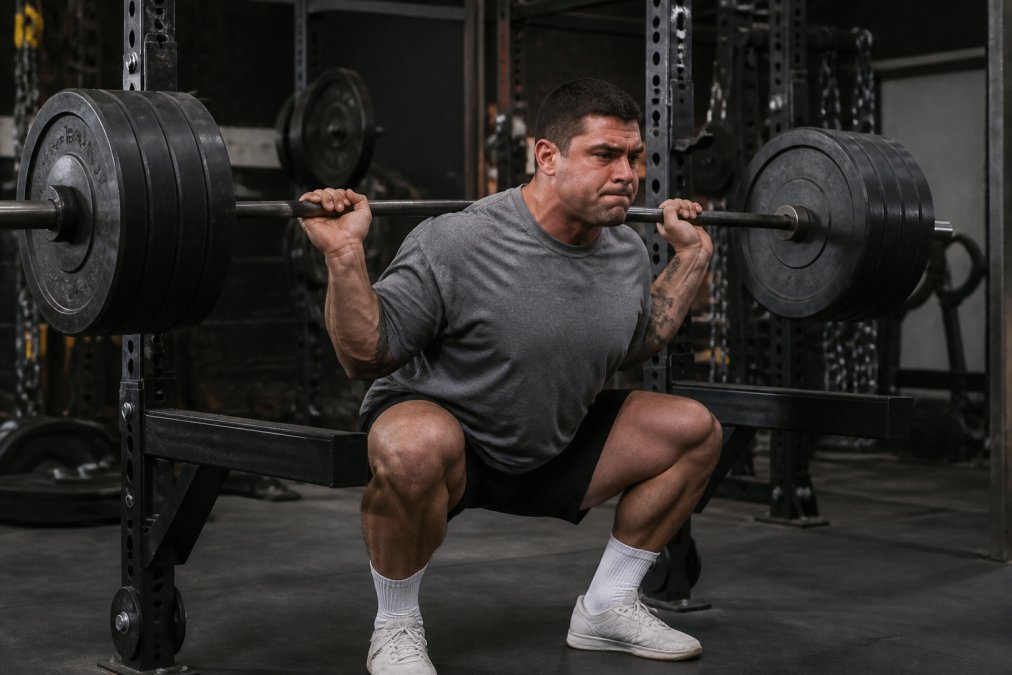
When you're executing heavy compound movements, squats, deadlifts, bench press, your apparel needs to move with you, not against you. Heavyweight cotton with a proper fit accomplishes this because the fabric has enough weight to stay in position without being restrictive. The oversized cut common in gym wear allows for layering and movement without the fabric riding up or bunching.
Sweat Management and Moisture Absorption
Sweat management during heavy lifting isn't about wicking moisture away as fast as possible. It's about managing moisture so your body temperature stays regulated and the fabric doesn't become uncomfortable. Heavyweight cotton excels here because it absorbs sweat without becoming saturated. The fabric can hold moisture while still feeling relatively dry to the touch.
The moisture absorption capacity of cotton depends on fiber density and construction. A 260 GSM heavyweight piece absorbs sweat effectively across multiple sets without becoming waterlogged.
Structural Integrity Under Load
Structural integrity is the hidden factor that separates premium gym wear from cheap alternatives. When you're performing heavy compound lifts, your clothing experiences forces from multiple directions. The fabric needs to maintain its shape and support your movement without stretching out or losing its fit.
Heavyweight cotton with proper construction maintains structural integrity because the weave resists the mechanical stress of repetitive movement. This is especially critical at stress points like the shoulders and chest where movement is most aggressive.
How to Wash Heavyweight Cotton Tees and Maintain Fabric Quality
Proper washing is essential for maintaining the durability and appearance of heavyweight cotton gym wear. Cold water washing is the first step, hot water weakens cotton fibers and accelerates shrinking. Wash in cold water with similar colors to prevent dye bleeding, which can damage the vintage aesthetic of pieces like the Vintage Washed B&W from Driven Fitness.

Use a gentle or delicate cycle rather than aggressive washing. Heavyweight cotton is durable, but aggressive agitation accelerates fiber breakdown. The goal is to clean without subjecting the fabric to unnecessary mechanical stress. Avoid bleach entirely, it weakens cotton fibers and fades colors. For stubborn stains, treat them before washing with a gentle stain remover.
Drying matters as much as washing. Air drying is ideal for preserving fabric integrity and preventing shrinking. If you use a dryer, use the lowest heat setting possible. High heat accelerates fiber breakdown and increases shrinking risk. Many serious gym athletes hang-dry their premium pieces to maximize longevity.
Storage also impacts longevity. Fold your heavyweight cotton pieces rather than hanging them on thin hangers, which can stretch the shoulders. Store in a cool, dry place away from direct sunlight, which can fade colors. Proper storage prevents unnecessary wear between workouts.
Heavyweight vs. Lightweight Cotton T-Shirts for Gym Use
The choice between heavyweight and lightweight cotton comes down to your training intensity and goals. Heavyweight cotton is superior for serious gym training because it handles the demands of heavy lifting better. Lightweight alternatives are cheaper and feel more breathable, but they deteriorate faster and don't provide the same thermal regulation during rest periods.
Lightweight cotton t-shirts feel more comfortable during casual wear because they're less substantial. But in the gym, that lightness becomes a liability. For someone training seriously, the cost difference between lightweight and heavyweight cotton becomes negligible when you factor in replacement frequency.
The aesthetic difference is also significant. Heavyweight cotton maintains a crisp, structured appearance workout after workout.
Style, Fit, and Aesthetic Appeal for Serious Athletes
Premium gym wear combines functionality with aesthetic appeal because serious athletes view their apparel as part of their training identity. Vintage-inspired designs, like the Vintage Washed DF Tee from Driven Fitness, offer a retro aesthetic that feels authentic rather than trendy. This vintage approach resonates with athletes who view gym training as a lifestyle rather than a temporary fitness phase.

Frequently Asked Questions
Is 100% cotton good for the gym?
Yes, 100% cotton is excellent for gym wear when it's heavyweight. Unlike lightweight cotton that absorbs sweat and stays wet, heavyweight cotton (260 gsm or higher) provides better moisture absorption while maintaining breathability. It offers natural hypoallergenic properties, better durability during heavy lifting, and superior fit retention through intense training sessions. The key is fabric weight and weave density, which determine how well the cotton handles sweat and movement.
What are the durability benefits of heavyweight cotton gym wear?
Heavyweight cotton fabrics have greater tensile strength and structural integrity, meaning they resist tearing and stretching during heavy compound lifts. The denser weave creates a more durable garment that maintains its shape after hundreds of washes. Heavyweight cotton also resists shrinking better than lighter fabrics.
How does fabric weight affect gym apparel longevity?
Fabric weight directly impacts garment longevity. Heavier fabrics (measured in GSM, grams per square meter) have more fiber density, which means stronger tensile strength and better resistance to wear. Heavyweight cotton gym wear at 260 gsm experiences less stress on individual fibers during movement and friction, reducing the risk of tears and deterioration. The increased fabric density also maintains structural integrity through repeated washing and heavy training cycles, extending the lifespan of your gym apparel significantly.
Is heavyweight cotton breathable during intense training?
Heavyweight cotton maintains moderate breathability while offering superior moisture absorption compared to lightweight alternatives. The natural fiber structure of cotton allows air circulation even at higher fabric weights. During intense training, heavyweight cotton absorbs sweat efficiently rather than trapping moisture against your skin, which is why it outperforms synthetic blends for serious lifters. The key difference is that heavyweight cotton manages sweat through absorption and evaporation, not just ventilation, making it ideal for high-intensity workouts.