
Table of Contents
- Why the Oversized Pump Cover Became a Gym Staple
- How to Choose the Right Pump Cover Size
- Benefits of Wearing Pump Covers for Training
- How to Style Oversized Gym Tees: 5 Looks
- Fabric and Fit: What to Look For
- When to Take Off Your Pump Cover
- Final Thoughts on Building Your Gym Aesthetic
- Frequently Asked Questions
Last Updated: September 8, 2026
Why the Oversized Pump Cover Became a Gym Staple
A pump cover is the loose, oversized t-shirt you throw on over your training top to keep your muscles warm between sets. It serves a real physiological purpose while doubling as a statement piece. The oversized cut traps body heat, which supports blood flow and keeps the muscle group primed for the next working set.
The aesthetic shift toward vintage, distressed gym apparel has turned this functional garment into a wardrobe staple. The oversized silhouette has come to dominate lifting platforms and influencer feeds alike. This guide breaks down how to style oversized pump covers so you look intentional, not sloppy, from the warm-up to the walk to your car.
How to Choose the Right Pump Cover Size
Choosing the right pump cover size starts with understanding the difference between "oversized" and "swallowed." A proper pump cover should hang loose through the chest and torso, but the shoulder seam should still sit near your natural shoulder line.
Sizing up one to two sizes from your standard tee creates the ideal boxy silhouette. A common mistake is buying the largest size available, which turns a sharp look into a tent. Look for brands that cut their oversized pieces with intention, meaning the chest is roomy but the sleeves are tailored to show arm definition.
Benefits of Wearing Pump Covers for Training
The benefits of wearing pump covers extend beyond looking like you just finished a heavy set. Retaining muscle warmth between exercises is the primary functional advantage. Cold muscles are tighter and more prone to strain during long sessions where you rest several minutes between compound lifts (peer-reviewed research).
The psychological edge matters too. A heavyweight, structured tee creates visual volume through the upper body, which can improve your perceived presence during a lifting session. The right cover acts as a cue that you are still in work mode, not recovery mode.
How to Style Oversized Gym Tees: 5 Looks
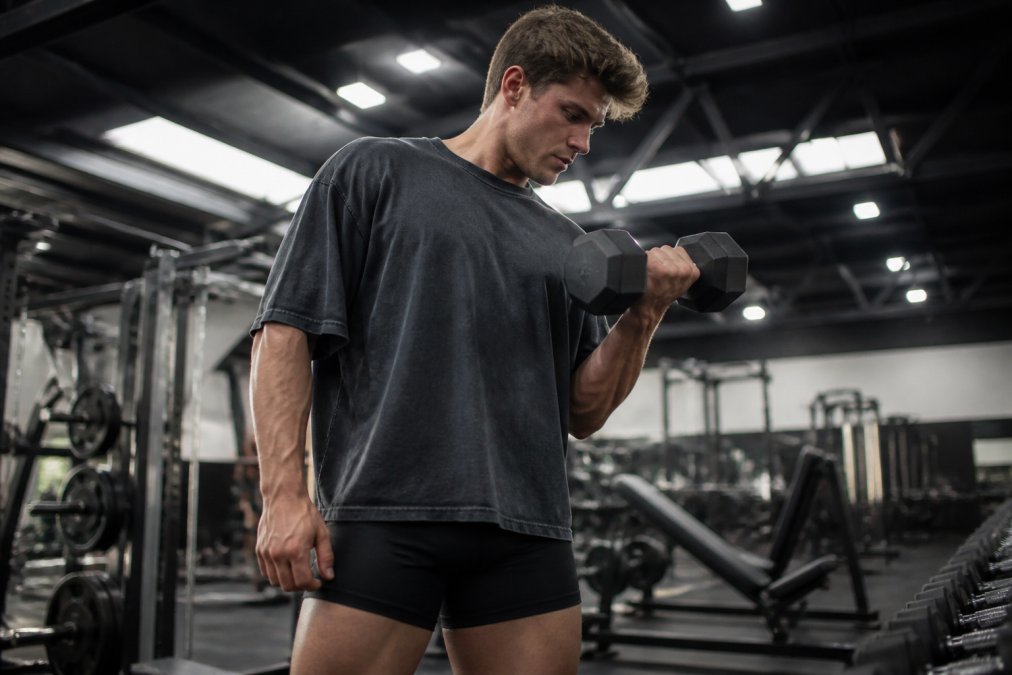
Styling an oversized pump cover comes down to one rule: balance the volume on top with a fitted bottom half. Here are five looks that move beyond the basics and account for body type, accessories, and where you're headed after your last set.
Look 1: Classic Lifting Session
Pair your oversized pump cover with tapered or fitted shorts. The contrast between the loose top and the fitted lower half keeps your proportions clean. Roll the sleeves once if they are too long, and tuck the front hem just slightly into your waistband for a sharper line.
Body-type adjustment: If you're over 6 feet tall, look for tall-specific sizing or a brand that cuts a longer hem (28 inches or more from shoulder to hem). For petite frames under 5'4", size up only once and have the hem hemmed by a tailor (a $10-$15 alteration) so the tee hits at your hip bone, not mid-thigh.
Accessory pairing: A leather or nylon lifting belt worn over the tee cinches the waist and adds structure to the boxy silhouette. This is a functional choice too, the belt stays accessible between sets without digging into your skin through a thin shirt.
Look 2: The Streetwear Transition
Throw the pump cover over a fitted long-sleeve compression shirt and wear it open as a layering piece. This works when you go from the gym to running errands, blending activewear with streetwear. Straight-leg joggers with a tapered ankle complete the transition without looking like you forgot to change.
The shoe rule: This look fails with running shoes. Swap them for a chunky retro sneaker (think Nike Air Max or New Balance 990 series) to anchor the streetwear vibe. If you're heading to a coffee shop or casual meeting, a clean white leather sneaker keeps it intentional.
The hat factor: A structured baseball cap or a beanie (season-dependent) pulls the eye upward and balances the volume of the tee. Avoid bucket hats with this look, they add another oversized element that competes with the tee rather than complementing it.
Look 3: Balancing Proportions for Every Body Type
For broader shoulders, the oversized fit amplifies your V-taper, so keep the bottom fitted with leggings or slim joggers. If you are still building upper body mass, choose a heavier fabric that holds its structure rather than a thin tee that clings. The fabric weight creates the silhouette you want, regardless of your current build.
For taller lifters (6'0" and up): Seek out brands that offer a "tall" option or cut their tees with a 30-inch back length. The goal is a drape that ends just below the belt line, not one that rides up during deadlifts.
For petite lifters (under 5'6"): Pair the oversized top with high-waisted, ankle-length leggings that show skin at the ankle. This creates a vertical line that counteracts the horizontal volume of the tee. Avoid rolling the sleeves, it adds width at the shoulder, which can make you look boxier than you are.
For athletic builds with wide hips: The oversized tee can create a triangle silhouette that widens at the hip. Choose a tee with a slightly tapered side seam or a curved hem that is shorter in the front. This prevents the fabric from flaring out at the hip line.
Look 4: The Warm-Up to Working-Set Strip
This is a performance-driven look. Start your session in the oversized pump cover over a fitted tank or compression top. When you move to your working sets on compound lifts, strip the cover off and drape it over the squat rack or bench. Between sets, throw it back on to retain muscle warmth.
The styling detail: The cover should be a contrasting color to the fitted top underneath, a black cover over a white tank, or a vintage-washed gray over a black compression shirt. This makes the strip-and-replace rhythm read as intentional, not disorganized.
Look 5: The Post-Lift Cool-Down
After your last set, your body temperature spikes and the pump cover becomes a liability. Style it as an open layer over a fitted tee or tank, rather than removing it entirely. Unbutton or simply let it hang open if it's a pullover, the key is creating airflow while keeping the aesthetic.
The fabric switch: If you know you'll be wearing the cover post-lift, choose a moisture-wicking blend (polyester-spandex or a nylon-cotton hybrid) rather than 100% cotton. Cotton traps sweat against your skin as you cool down, which can lead to a chill.
Footwear pairing: This look works with slides or sandals if you're heading straight to the locker room, but if you're going anywhere public, swap to a clean low-top sneaker. The open layer reads as relaxed, not sloppy, when the rest of the outfit stays fitted and clean.
Fabric and Fit: What to Look For
Fabric quality separates a pump cover that lasts from one that falls apart after a few washes. The right fabric also affects how well the cover performs its primary job: keeping your muscles warm between sets without overheating you during work.
The Case for Heavyweight Cotton
Look for heavyweight cotton blends, typically 180 to 240 GSM (grams per square meter). Here's what those numbers mean in practice:
- 180-200 GSM: Light-to-midweight. Good for warmer gyms or shorter sessions. Drapes well but may cling slightly if you sweat heavily.
- 200-220 GSM: The sweet spot for most lifters. Holds its structure, drapes cleanly, and traps enough heat to keep muscles warm between sets without feeling like a blanket.
- 220-240 GSM: Heavyweight. Best for colder gyms or lifters who run cold. This weight holds its shape even after repeated washes but can feel restrictive during high-rep work.
A 100% cotton tee at 220 GSM will absorb sweat and hold it against your skin, fine for the between-set warmth phase, but uncomfortable during cardio finishers (peer-reviewed research). Most serious gym apparel brands use a cotton-polyester blend (60/40 or 70/30) that keeps the cotton feel while adding polyester's moisture-wicking and quick-dry properties.
The Performance Fabric Alternative
If you train in a warm gym or sweat heavily, consider a technical fabric pump cover. Look for these characteristics:
- Moisture-wicking: Polyester, nylon, or a cotton-poly blend with a wicking finish pulls sweat away from the skin. This prevents the fabric from clinging uncomfortably during heavy lifts.
- Four-way stretch: A small percentage of spandex (5-10%) allows the fabric to move with you during overhead presses and pull-ups without restricting range of motion.
- Anti-odor treatment: Silver-ion or zinc-based treatments prevent bacterial growth that causes odor in synthetic fabrics. This matters because a pump cover gets worn, removed, and thrown back on repeatedly during a session.
The trade-off: technical fabrics don't have the same vintage-washed aesthetic that made the oversized pump cover trend popular. If the aesthetic matters to you, choose a cotton-poly blend that splits the difference, it washes well, holds structure, and has a slightly more matte finish than pure synthetics.
Fit Markers That Matter
Beyond the shoulder seam rule, three fit markers determine whether a pump cover works:
- Chest width: The tee should measure 4-6 inches wider than your actual chest measurement. This creates the boxy silhouette without turning into a tent.
- Sleeve length: Sleeves should end mid-bicep, not at the elbow. Longer sleeves read as sloppy; shorter sleeves show arm definition and keep the look intentional.
- Hem drop: The front hem should hit at your hip bone or just below. A hem that falls past your crotch creates a dress-like effect that ruins the proportion balance with fitted bottoms.
Durability Checkpoints
A vintage distressed look should come from the wash, not from weak stitching that unravels under tension. Before you buy, check these three points:
- Shoulder seams: Reinforced flatlock or double-stitched seams withstand the stress of overhead movements and repeated pulling.
- Collar: A ribbed collar that holds its shape after washing prevents the "stretched-out neckline" look that ruins an otherwise sharp outfit.
- Hem stitching: Look for a double-needle hem on the bottom and sleeves. Single-needle hems are the first place cheap tees fail.
The American Council on Exercise's guide to workout apparel notes that the right fabric and fit can affect both comfort and performance during training. Most gym apparel brands that specialize in pump covers, like Hylete, GASP, and YoungLA, publish their GSM and fabric blend specs. If a brand doesn't list this information, assume it's using low-quality fabric and move on.
When to Take Off Your Pump Cover
Take off your pump cover when it starts working against you. During high-rep accessory work or cardio finishers, the extra layer can trap too much heat and restrict your range of motion. If the loose fabric interferes with the bar path on pull-ups or overhead presses, ditch it.
The cover also comes off between exercises when you want to show the fitted top underneath. This is a standard gym aesthetic play: warm up in the cover, strip it for the working sets, and throw it back on during rest periods to keep the pump.
Final Thoughts on Building Your Gym Aesthetic
Building a gym aesthetic that works is less about following trends and more about understanding how fit and fabric perform for you. The oversized pump cover is a functional tool first and a fashion statement second. When you nail the sizing and pair it with the right bottoms, it projects the discipline of someone who takes their training seriously.
Driven Fitness provides premium gym apparel meticulously crafted for those who refuse to quit and are driven to succeed. Our collection, featuring vintage-inspired tees, tanks, and pump covers, is designed to support your relentless pursuit of strength and discipline. Built for the dedicated athlete, our gear combines style with the durability needed to power through your toughest workouts. The oversized snow washed options deliver that worn-in look without sacrificing structural durability. Whether you are chasing a PR or building out your everyday training gear, the right pump cover ties your look together.
Frequently Asked Questions
How big should a pump cover be?
For the classic oversized look, choose a pump cover 1 to 2 sizes larger than your standard tee. The shoulder seam should sit past your natural shoulder, and the hem should hit around mid-hip or lower. The fit should feel roomy through the chest and arms without being so large that the fabric bunches heavily under a barbell. If the sleeves go past your elbows and the bottom covers your entire backside, it is too big for training.
Are pump covers just oversized t-shirts?
While they look similar, pump covers are designed with training in mind. They use heavyweight, moisture-wicking fabrics that handle intense lifting sessions and frequent washing. A standard oversized t-shirt is often made from lighter cotton that soaks up sweat and loses its shape. Pump covers provide a boxy fit that maintains visual volume without restricting movement, and the durable material holds up to the friction of benches and barbells.
Can you wear pump covers outside of the gym?
Yes, the oversized fit makes them a natural bridge to streetwear and athleisure. Pair your pump cover with tapered joggers or straight-leg denim and clean sneakers for a casual look. The vintage-washed or distressed designs found on many pump covers add a retro aesthetic that fits with everyday fashion. This versatility makes them a wardrobe staple that transitions from a lifting session to running errands without needing to change.
How do you make an oversized shirt look flattering in the gym?
Balance the loose top with a fitted bottom. Wear leggings, fitted shorts, or tapered joggers to define your lower body and create a clean silhouette. Rolling the sleeves once or twice adds structure and shows arm definition. For body types concerned about looking lost in fabric, choose a size up rather than two sizes up. Pay attention to the shoulder seam, which should not drop too far down your arm.
The challenge is finding a pump cover that balances the relaxed aesthetic with the durability your training demands. Driven Fitness crafts premium gym apparel for lifters who refuse to quit, featuring heavyweight fabrics and vintage-inspired designs that hold up through heavy compound lifts. Explore the collection and equip yourself with gear that reflects your commitment to never settling. Shop now and build a gym wardrobe that works as hard as you do.