
Table of Contents
- Understanding Fabric Weight and GSM in Activewear
- Heavyweight vs Lightweight Gym Fabrics: Key Differences
- Moisture-Wicking vs Cotton Gym Clothes: Performance Breakdown
- Heavyweight Pump Covers and Their Role in Training
- Choosing the Right Fabric Weight for Your Workout Intensity
- Environmental Impact and Long-Term Value
- Frequently Asked Questions
Last Updated: September 18, 2026
Understanding Fabric Weight and GSM in Activewear
Fabric weight fundamentally changes how gym apparel performs during training. Measured in grams per square meter (GSM), this metric determines everything from how a shirt drapes on your frame to how it holds up through hundreds of workouts. At Driven Fitness, we've analyzed how different fabric weights impact athlete performance, and the difference is more significant than most people realize.
GSM is straightforward: it's the weight of fabric per square meter. A 260 GSM cotton tee weighs substantially more than a 150 GSM shirt. But weight alone doesn't tell the story. The real question is what that weight does for you during a workout. Heavier fabrics provide structure and durability. Lighter fabrics offer mobility and breathability. Neither is universally superior, the best choice depends entirely on your training style and what you're trying to accomplish.
Understanding GSM gives you a framework for making smarter purchases. Instead of guessing whether a shirt will last through your training cycle or feeling comfortable during intense sessions, you can evaluate fabric weight against your specific needs. This guide breaks down exactly how heavyweight vs lightweight gym fabrics compare, so you can choose the right one for your training.
Heavyweight vs Lightweight Gym Fabrics: Key Differences
The core distinction between heavyweight and lightweight gym fabrics comes down to durability, feel, and thermal properties. Heavyweight fabrics typically range from 240-280 GSM, while lightweight options fall between 120-180 GSM. That 100+ GSM gap creates measurable differences in how the fabric performs.
Heavyweight fabrics feel more substantial in your hands. They have a denser fiber structure, which means more material per square inch. This creates a garment that holds its shape better, resists pilling, and maintains structural integrity through repeated washing and intense training sessions. The trade-off is reduced breathability and slightly more thermal retention.
Lightweight fabrics prioritize mobility and heat dissipation. They move with your body rather than constraining it. For high-intensity training where you're generating serious heat, lightweight options allow sweat to evaporate faster and air to circulate more freely. The downside is less durability and a higher risk of the fabric breaking down after extended use.
Durability and Structural Integrity
Heavyweight fabrics win decisively on durability. A 260 GSM cotton shirt like the Vintage Washed DF Tee resists tears, maintains its shape after dozens of washes, and stands up to the friction of heavy lifting. The denser fiber construction creates a fabric that doesn't thin out or develop holes as quickly.

Lightweight fabrics are more vulnerable to structural breakdown. With fewer fibers per square inch, they're more prone to pilling, thinning, and eventual tearing. For athletes doing heavy compound lifts where friction and contact with equipment is constant, lightweight fabrics often don't survive a full training year.
This matters for long-term value. A heavyweight tee costs the same as a lightweight option upfront, but lasts significantly longer. If your current gym shirts start falling apart after six months of serious training, switching to heavyweight fabric eliminates that frustration.
Breathability and Thermal Regulation
This is where lightweight fabrics shine. With less material blocking air circulation, they allow sweat to move away from your skin faster. During high-intensity training, this creates a noticeably cooler feel. Your body heat dissipates more efficiently, and you're less likely to overheat during long sessions.
Heavyweight fabrics retain more heat and moisture. They're less breathable by design. For moderate-intensity training or cooler environments, this isn't a problem, many athletes prefer the extra warmth. But during intense sessions in warm conditions, heavyweight fabrics can feel restrictive and trap sweat against your skin.
The Founders Tank at Driven Fitness uses medium-weight fabric (6.1 oz/yd²), which balances durability with breathability. It's a sweet spot for many athletes who want structural support without sacrificing thermal regulation.
Moisture-Wicking vs Cotton Gym Clothes: Performance Breakdown
Pure cotton, whether heavyweight or lightweight, absorbs sweat rather than wicking it away. The fabric pulls moisture into itself, which is why cotton gym shirts feel heavy and clingy when you're sweating hard. This moisture absorption also creates an environment where odors develop more easily and the fabric takes longer to dry.
Synthetic blends and performance fabrics are engineered specifically for moisture-wicking. They're designed to move sweat away from your skin and toward the fabric surface where it can evaporate. This keeps you drier during workouts and reduces odor development between washes.
However, the choice between cotton and synthetics involves a trade-off most guides overlook: skin sensitivity and chafing risk. Heavier synthetic blends, especially polyester-dominant formulations, can create friction during high-movement activities like rowing, burpees, or Olympic lifting. The fabric's smooth surface, while excellent for moisture transport, can actually increase chafing during repetitive shoulder or hip motion because it doesn't absorb sweat, it channels it across your skin. Lightweight cotton, by contrast, absorbs moisture directly into the fiber, reducing skin-to-fabric friction even though it dries slower.
Heavyweight cotton presents a different equation. The denser fiber structure creates more surface area contact with skin, which can cause irritation during intense, sweaty sessions. But many serious lifters accept this trade-off because the fabric's natural breathability (despite moisture absorption) and softness feel superior to synthetic alternatives. The Vintage Washed DF Tee and Vintage Turtle, both 100% cotton at 260 GSM, deliver this experience: they absorb more sweat than synthetic alternatives, but the natural fiber reduces chafing during heavy compound movements where friction is concentrated on shoulders, chest, and back.

For athletes prone to chafing or training in high-friction movements (gymnastics rings, heavy pressing, loaded carries), lightweight cotton or moisture-wicking synthetics with a brushed or textured surface perform better than smooth, heavy synthetics. For those prioritizing durability and comfort over maximum sweat management, heavyweight cotton remains the practical choice. The decision ultimately depends on your movement patterns, skin sensitivity, and whether you're willing to change shirts more frequently in exchange for reduced chafing risk.
Heavyweight Pump Covers and Their Role in Training
Pump covers are a specific category of heavyweight apparel designed for a single purpose: maintaining muscle warmth and pump between sets. They're typically oversized, made from thicker fabrics, and designed to be thrown on and off quickly without disrupting your training flow.
The heavyweight fabric in pump covers serves a functional purpose. It insulates your muscles, keeping them warm and maintaining the blood flow that creates the pump. When you take a pump cover off to perform your next set, your muscles are primed and ready. This is why competitive powerlifters and bodybuilders rely on them during training sessions.
Driven Fitness's vintage-inspired designs focus on this practical functionality while delivering the aesthetic that resonates with serious athletes. The oversized fit and heavyweight construction work together to create a garment that performs its job without getting in the way.
Choosing the Right Fabric Weight for Your Workout Intensity
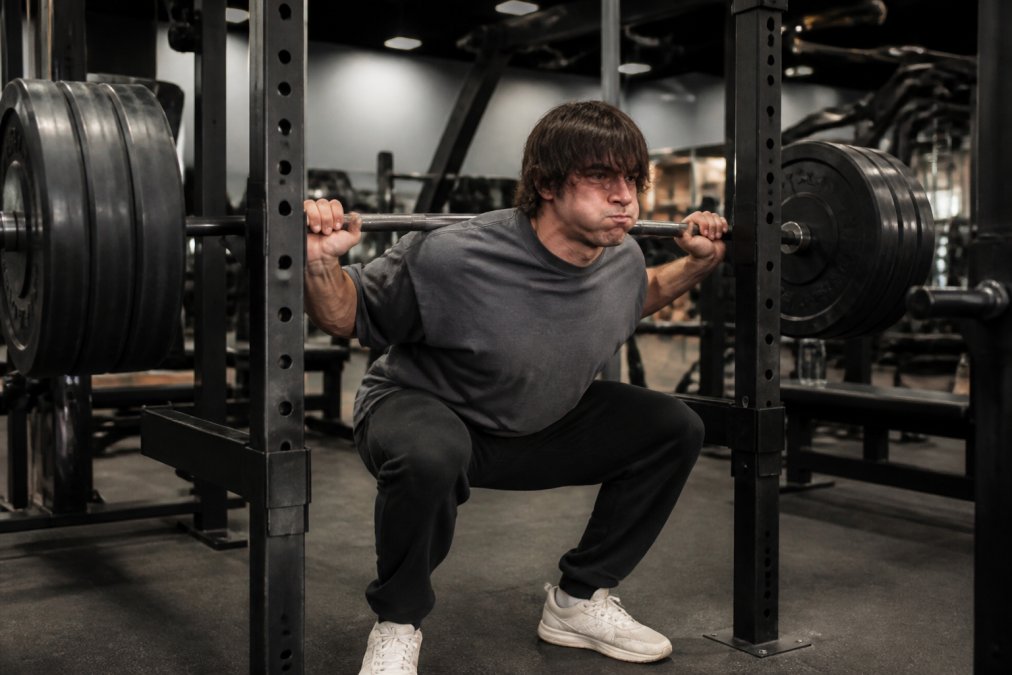
Matching fabric weight to your training intensity and specific movement patterns is the key to satisfaction with gym apparel.
Activity-Based Fabric Weight Matching
Powerlifting and Heavy Strength Training (240-280 GSM Heavyweight) Powerlifting demands durability above all else. Heavy compound movements, squats, deadlifts, bench presses, create sustained friction between your torso and the bar, bench, or rack. Heavyweight fabrics withstand this friction without thinning or tearing. The structural support also matters psychologically; many elite lifters report that a substantial, well-fitted heavyweight shirt provides confidence during max-effort attempts.
Environmental and Personal Factors
Beyond activity type, consider your training environment. Athletes training in air-conditioned gyms can tolerate heavier fabrics even during moderate-intensity work. Those training outdoors or in warm facilities should shift toward lighter options regardless of activity. Similarly, personal heat tolerance varies significantly. Some athletes run hot and need lightweight fabrics even during strength work; others run cool and prefer heavyweight pieces even during conditioning.
| Training Type | Ideal GSM Range | Fabric Weight Category | Heat Priority | Durability Priority | Best For |
|---|---|---|---|---|---|
| Powerlifting / Heavy Strength | 240-280 | Heavyweight | Low | High | Barbell work, max-effort sets |
| Bodybuilding / Hypertrophy | 180-240 | Medium-Weight | Moderate | High | Moderate-rep sets, controlled tempos |
| HIIT / Metabolic Conditioning | 120-180 | Lightweight | High | Moderate | Interval work, sustained effort |
| Steady-State Cardio / Yoga | 240-280 | Heavyweight | Low | High | Low-impact, extended duration |
| Mixed Modal (CrossFit, Gymnastics) | 150-200 | Lightweight-Medium | Moderate-High | Moderate | Diverse movement patterns |
Environmental Impact and Long-Term Value
Choosing heavyweight fabrics has an environmental benefit that often gets overlooked. A 260 GSM cotton shirt that lasts two years creates less waste than buying three lightweight shirts over the same period. Manufacturing apparel consumes resources, so durability directly translates to environmental responsibility.
Frequently Asked Questions
What is GSM in gym apparel and why does it matter?
GSM (grams per square meter) measures fabric density and weight. Higher GSM means thicker, more durable fabric with better structural integrity for heavy lifting. Lower GSM fabrics are lighter and more breathable. For gym clothes, GSM directly impacts how well the garment holds its shape during intense training and how long it lasts. Driven Fitness heavyweight tees use 260 GSM (7.7 oz), providing the durability and support serious lifters need.
Is heavyweight cotton better for lifting than lightweight polyester?
Heavyweight cotton offers superior durability, hand feel, and natural breathability compared to lightweight synthetic blends. Cotton's fiber density provides structural integrity that supports your body during compound movements. However, synthetic blends excel at moisture-wicking and quick-dry properties. For heavy lifting where durability matters most, heavyweight cotton outperforms lightweight polyester. Lightweight synthetics work better for high-intensity cardio where sweat management is critical.
How does fabric weight affect moisture-wicking and breathability?
Heavier fabrics have denser fiber construction, which can reduce airflow but allows for sweat absorption. Lightweight fabrics prioritize breathability and quick-dry properties, moving moisture away faster. Heavyweight cotton absorbs moisture, ideal for controlled training. Lightweight synthetics offer maximum breathability and rapid evaporation, better for high-sweat activities. The choice depends on your workout style: strength training favors heavyweight absorption, cardio favors lightweight quick-dry.
What are the pros and cons of lightweight gym fabrics?
Lightweight fabrics excel at breathability, quick-dry performance, and unrestricted range of motion, making them ideal for high-intensity interval training and cardio. They're also more affordable and pack smaller. Drawbacks include lower durability, reduced structural support during heavy lifting, and potential chafing during intense sessions. Lightweight synthetics may show wear faster. For casual gym-goers or cardio-focused training, lightweight fabrics deliver solid performance. For serious lifters, the durability trade-off becomes noticeable within months.